
Happy Earth Day, Rainmakers! Today, April 22nd, represents a time for everyone to come together and celebrate our incredible planet and all it provides for us. It’s a reminder to take a moment of appreciation for the deep connection we share with the Earth and how important it is to protect it. After all, we wouldn’t be here without it.
Water covers 71% of Earth’s surface, yet much of it is polluted or inaccessible. Earth Day is the perfect opportunity to recognize and uplift sustainable solutions that protect and conserve our natural resources—like Rainwater Harvesting (RWH).
As the world faces a looming water deficit—projected by the United Nations to reach 40% by 2030—RWH offers a powerful solution for managing water shortages in the face of climate change. By capturing and utilizing rainwater, these systems reduce reliance on traditional water supplies, minimize environmental impacts, and empower communities with limited or unreliable clean water access.
Climate Change Resilience
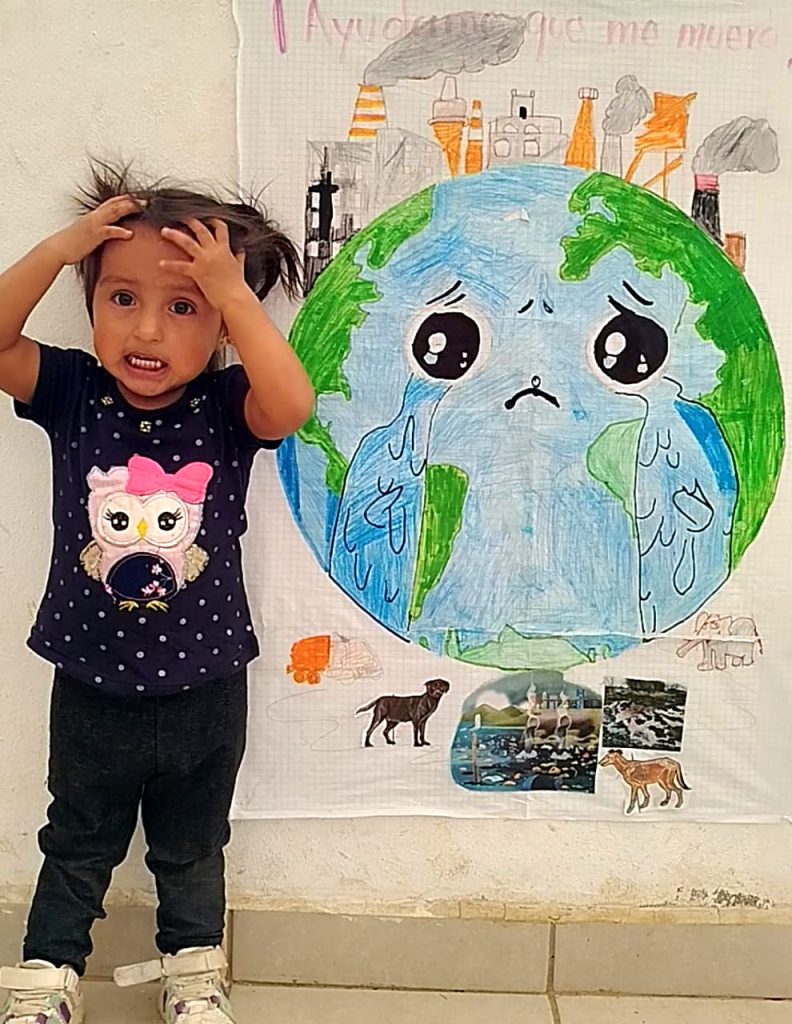
RWH provides significant resilience against climate change. According to the World Bank, 41% of Mexico’s territory is exposed to a range of natural disasters, many of which have detrimental effects. As climate change intensifies extreme weather events, in both frequency and severity, rainwater capture has become particularly valuable in regions with uneven rainfall distribution.
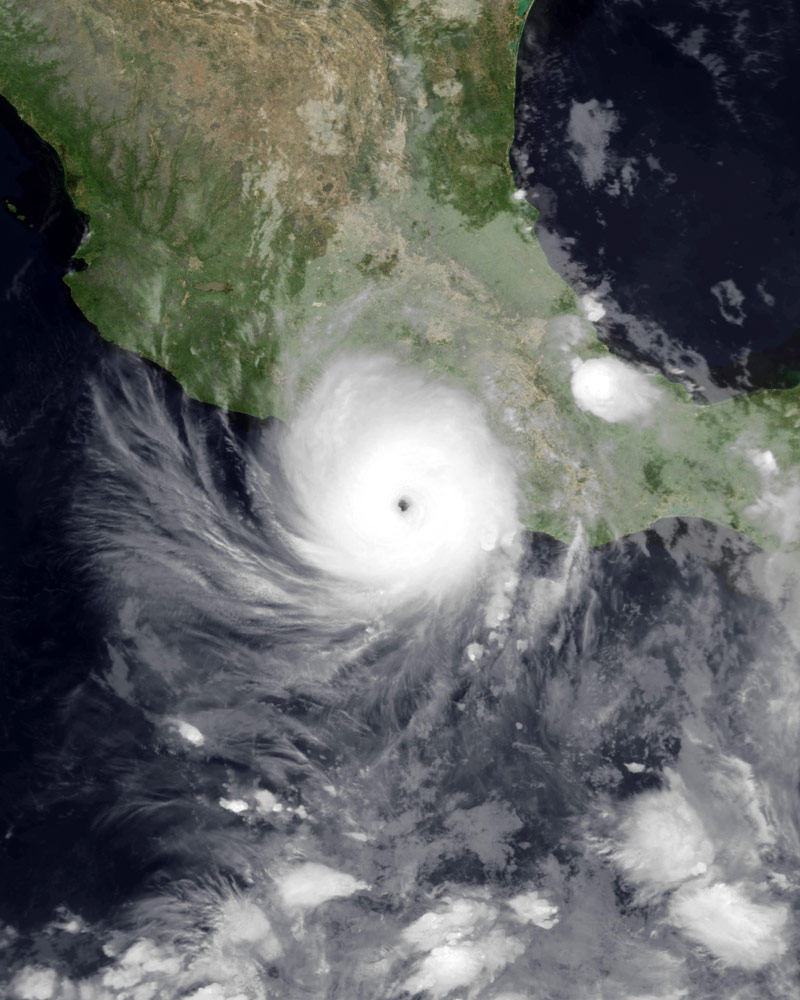
By having water captured and stored, systems build a buffer against scarcity shocks and ensure a steady supply during dry periods. RWH can also mitigate the risk of urban flooding and erosion as it redirects rainwater that would otherwise overwhelm drainage systems, offering further protection to vulnerable areas from climate-related impacts.
Reducing Reliance on Traditional Water Supplies

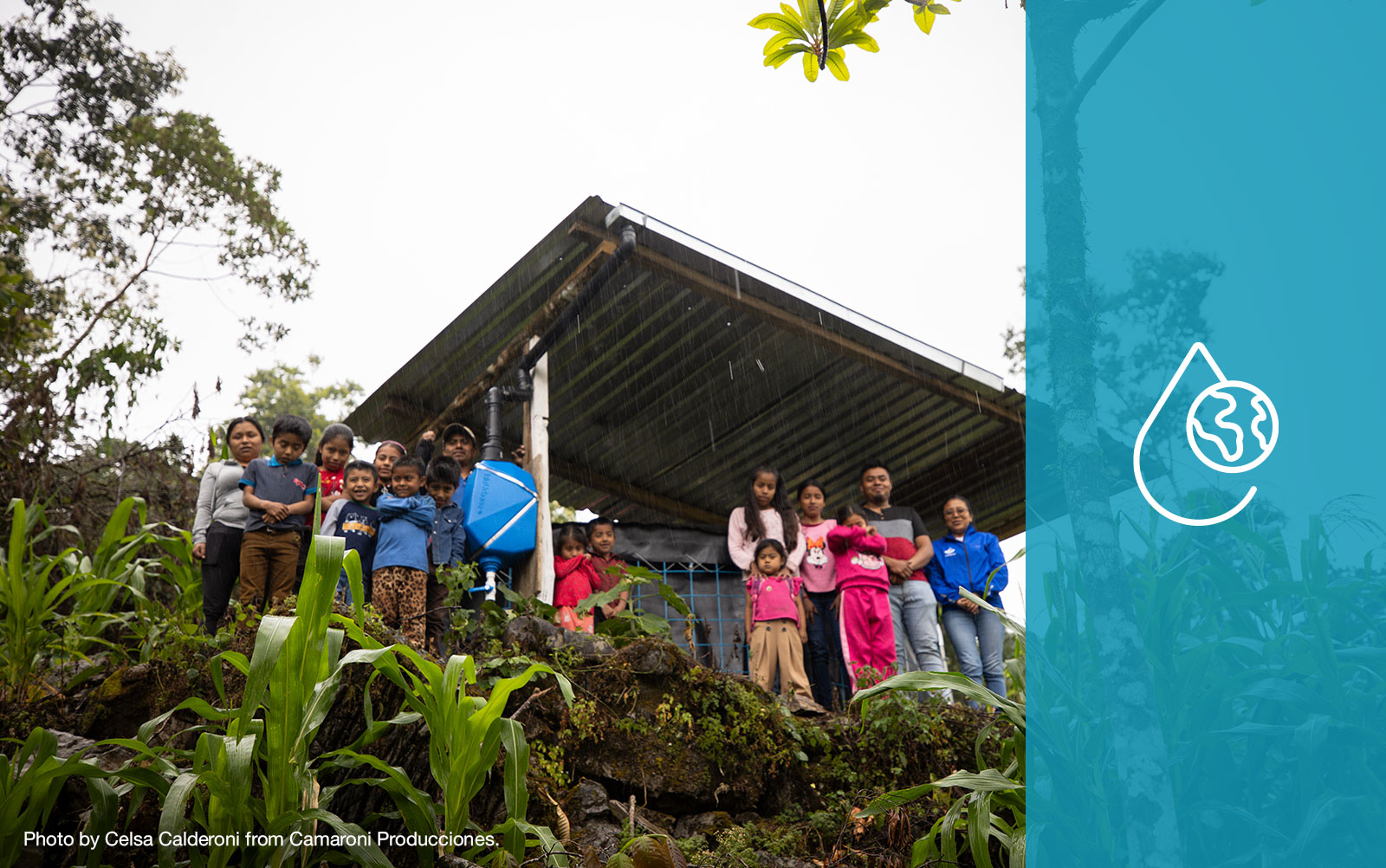
In Mexico, where approximately 62% of Mexico’s water consumption comes from underground sources, over-extraction has severely depleted many aquifers, exacerbating long-term water scarcity. With RWH systems, communities alleviate pressure on groundwater and reduce dependence on municipal supplies. Residential systems can provide clean water for up to 12 months in rural areas, and up to 8 months in urban areas. This sustainable, local, and renewable source allows communities to preserve resources for themselves and future generations.
Beyond water security, RWH systems help reduce carbon emissions associated with traditional water supply methods—like water trucks. By harvesting water on-site, these systems reduce the need to pump water over long distances, transport it by vehicle, or rely on energy-intensive purification processes. This lowers carbon footprints because less energy means less emissions.

How Isla Urbana Breaks Down Barriers

One of the main challenges associated with RWH systems is the initial cost of installation and maintenance. For many low-income communities, the upfront investment and technical knowledge required for upkeep can be significant barriers. Like any infrastructure, RWH systems require regular maintenance to ensure long-term functionality.
That’s why Isla Urbana goes beyond just installation—we place community empowerment at the heart of our work, focusing on local capacity building to ensure these sustainable systems deliver lasting community benefits. Through education, hands-on training, and ongoing support, we equip community members with the tools and confidence to maintain and manage their own water systems.
Our goal is to foster self-sufficient, resilient communities that can independently address their water needs and challenges, reducing reliance on external support while strengthening long-term water security.