
Water is the lifeblood of our planet—yet 2.2 billion people across the world live without access to safe water due to over extraction, pollution, and climate change.
Each year on March 22nd, World Water Day serves as a crucial reminder of our collective responsibility to protect and conserve freshwater. This global holiday celebrates water and raises awareness of global water issues, specifically water scarcity, a core focus of Sustainable Development Goal 6: water and sanitation for all by 2030.
First proposed at the 1992 UN Earth Summit in Rio de Janeiro, Brazil, the first World Water Day was declared on March 22nd, 1993. Since then, this holiday has influenced international policies, encouraged water conservation efforts, and inspired grassroots movements worldwide.
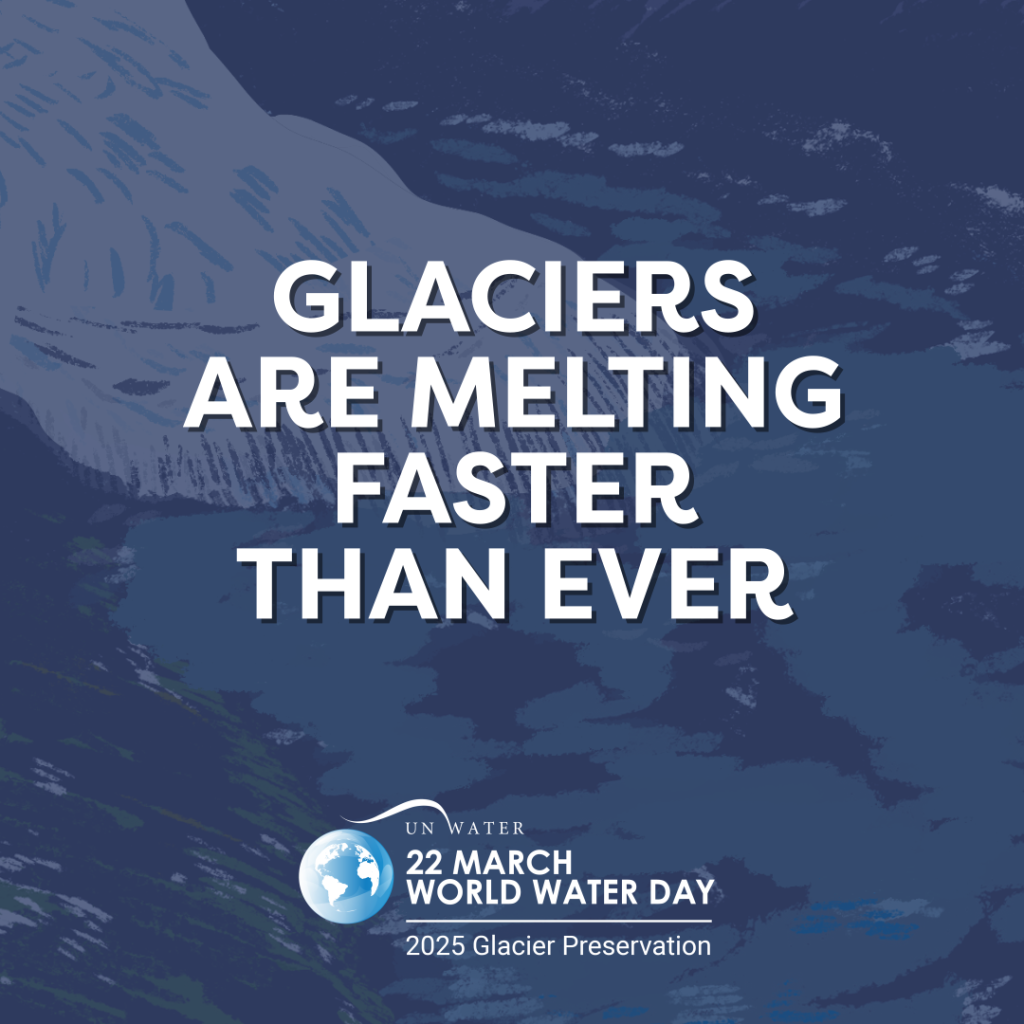
Each year, the UN assigns a theme for World Water Day to highlight specific water-related challenges. In 2023, it was Accelerating Change, in 2024 it was Leveraging Water for Peace, and this year, the theme is Glacier Preservation.
The Importance of Glacier Preservation

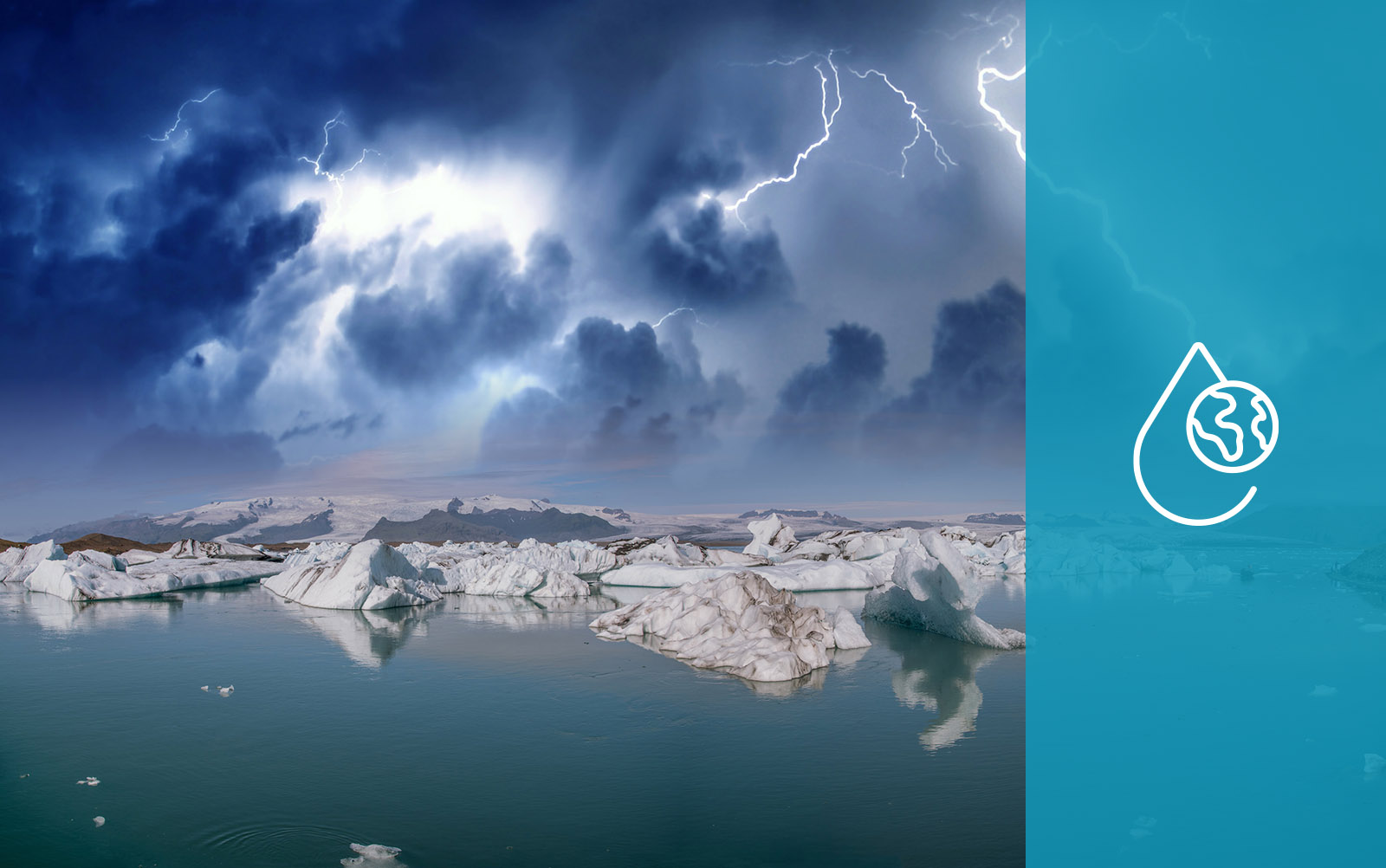
As we celebrate this amazing day, it is important to recognize that nearly 2 billion people worldwide rely on water from glaciers, snowmelt, and mountain run-off. Glaciers are critical to life—their meltwater is essential for drinking water, agriculture, industry, clean energy production and healthy ecosystems.
As global temperatures rise, natural glaciers are melting at an alarming rate. In Switzerland, the Swiss Academy of Sciences reported that the nation’s glaciers have lost 10% of their volume in just two years of extreme heat. This loss has devastating effects, particularly for communities in arid, high-altitude regions, like Ladakh, a dry, high-altitude mountain desert on the edge of the Himalayas.
In the Ladakh region, 80% of farmers rely on glaciers for irrigation, making them an essential resource, as agriculture is the region’s primary livelihood. As glaciers shrink and move higher up the mountains, their meltwater arrives later in the year, starting in mid-June. However, farmers need water earlier, in April and May, for planting. Since winters are long, much of the unused meltwater simply flows into rivers. But, there is a solution: Artificial Glaciers.
Artificial Glaciers: A Climate Adaptation Strategy
Artificial glaciers are human-made ice structures designed to store water for communities reliant on glacial meltwater. They are created by capturing excess water from melting glaciers or snow and allowing it to freeze into large blocks of ice. These structures store fresh water during the winter and release it gradually during warmer months, mimicking the function of natural glaciers.
Ice stupas, a more advanced version of artificial glaciers, improve upon this by providing security in areas susceptible to flash floods, landslides, erosion and sedimentation. Ice stupas divert water from streams or rivers through gravity-fed pipes into shaded areas where it freezes on contact, forming towering ice structures that preserve water longer due to reduced sun exposure.

These structures counter water shortages by providing a steady water supply for communities, preventing farmers from facing declining crop production during dry periods.
Isla Urbana’s Contribution to World Water Day
Much like artificial glaciers, rainwater harvesting is an innovative and effective solution for water conservation. By capturing and storing rainwater, our systems ensure a sustainable, clean, and reliable water supply—addressing critical needs and enhancing resilience in vulnerable communities facing water insecurity.
At Isla Urbana, we are proud to contribute to World Water Day by providing rainwater harvesting systems that transform each rainfall into a vital resource. Each drop of rain brings a new opportunity to harness nature’s most reliable resource. Too often, rainwater goes untapped, and our systems provide a vital supply to those who need it most.
Water is a fundamental human right, and by providing these life-changing systems, Isla Urbana is committed to building a future where clean water is accessible to all.